Mainly seventh–tenth centuries
Gyeongju, capital of Silla
Temples and Buddhist sculpture in an ancient Korean capital open a wider East Asian view.
Power and faith in the capital
Gyeongju’s heritage includes Namsan, Wolseong, burial parks, Hwangnyongsa and fortress areas. Images, temple remains, palaces, tombs and grave goods reveal worship, administration and succession. Lost timber buildings mean today’s prominent temples do not represent every major activity of the ancient capital.
Building Buddhist spaces in stone
Seokguram is a constructed granite space. Beyond an antechamber and passage, a circular chamber houses the Buddha surrounded by bodhisattvas, disciples and deities. Bulguksa’s stone stairs and platforms guide worshippers upward. Stone construction shaped both movement and viewpoints.
The long life of monuments
Sacred sites continued beyond Silla’s end in 935. Bulguksa’s timber structures suffered war damage and rebuilding, while older stone structures survived. Twentieth-century restoration further shaped the landscape. Dynastic ending, foundation and repair follow different dates.
Before and after
- Seventh century
Buddhist art developed.
- 751
Traditional starting date of Bulguksa and Seokguram construction.
- 774
Traditional completion date of Bulguksa and Seokguram.
- 935
Silla rule ended.
Key terms
- Seokguram
- A constructed stone sanctuary.
- Platform
- A base supporting a building.
- Foundation
- The original construction of a building.
What supports the account?
Namsan images, palaces and tombs preserve different evidence. One famous building cannot explain religion, politics and burial.
Remains of the Silla capital and Buddhist art of the seventh to tenth centuries. The eighth-century grotto, sculpture, stone terraces and later restoration.
The entire capital has not survived unchanged.
Seokguram was not a natural hole containing a statue. Stone construction coordinated the image and viewing directions.
Remains of the Silla capital and Buddhist art of the seventh to tenth centuries. The eighth-century grotto, sculpture, stone terraces and later restoration.
Present form also includes restoration.
Check your understanding
Choose an answer to reveal the explanation. Return to the article and sources when you are unsure.
Sources
- Gyeongju Historic AreasUNESCO World Heritage Centre
Remains of the Silla capital and Buddhist art of the seventh to tenth centuries.
- Seokguram Grotto and Bulguksa TempleUNESCO World Heritage Centre
The eighth-century grotto, sculpture, stone terraces and later restoration.
- Seokguram construction and structureKorea Heritage Agency
Construction in 751–774, assembled granite chambers and Buddhist figures.
Keep exploring
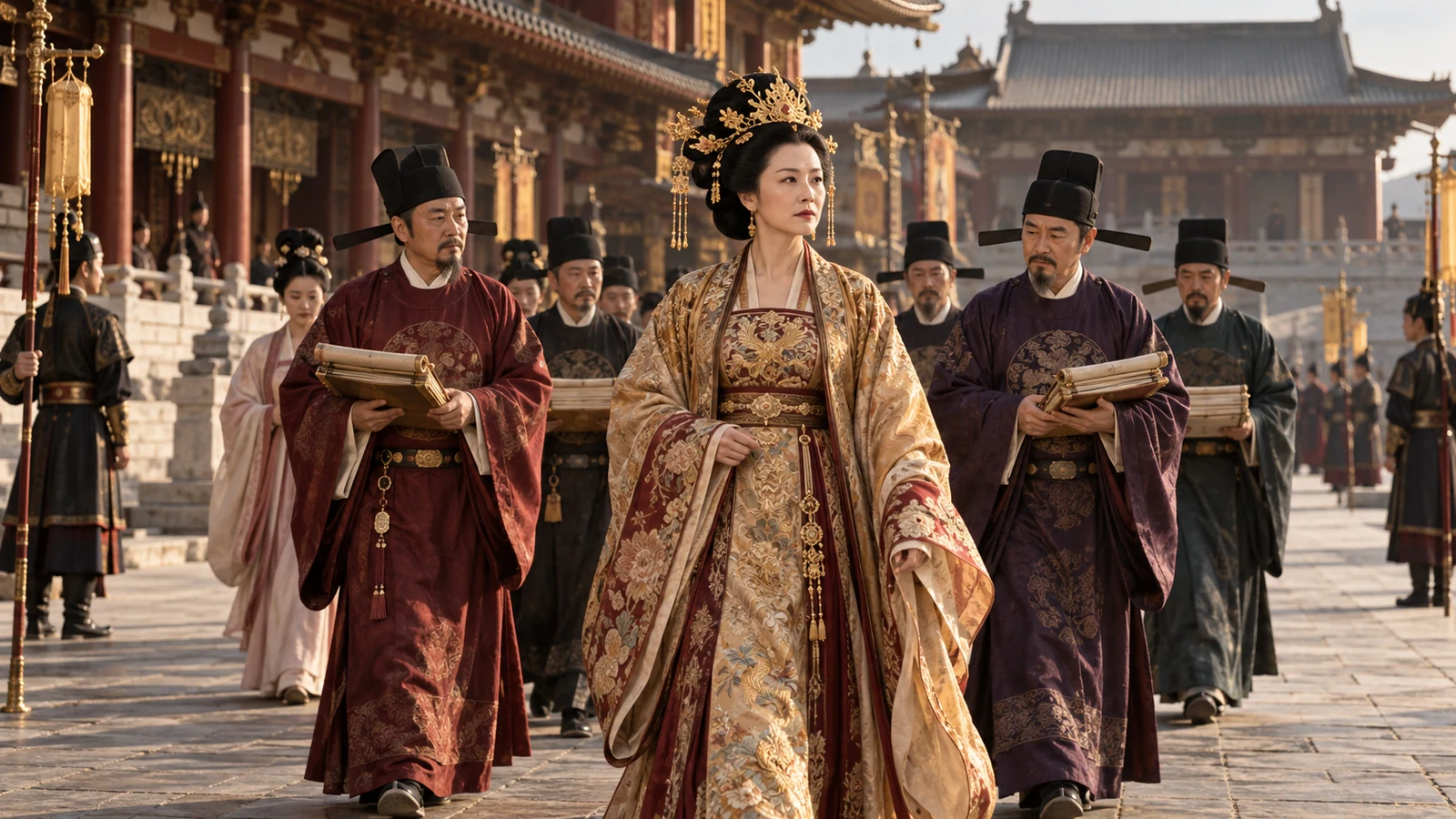
690–705
Wu Zetian and Buddhist art at Luoyang
An emperor in her own right and Buddhist imagery in political life.
Luoyang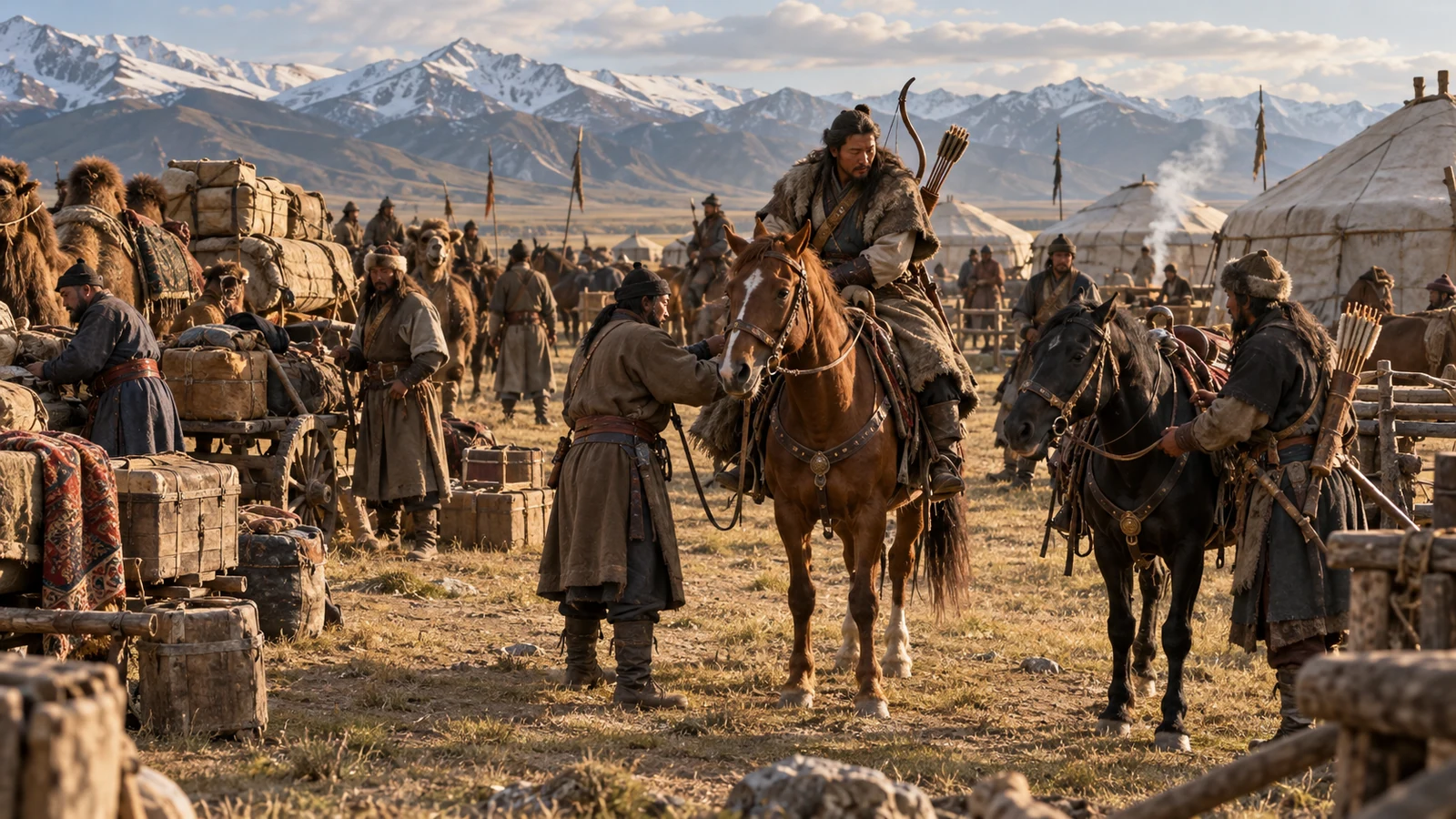
Mainly 1206–1368
Routes and people in the Mongol Empire
Read the violence of conquest alongside exchanges across imperial space.
Karakorum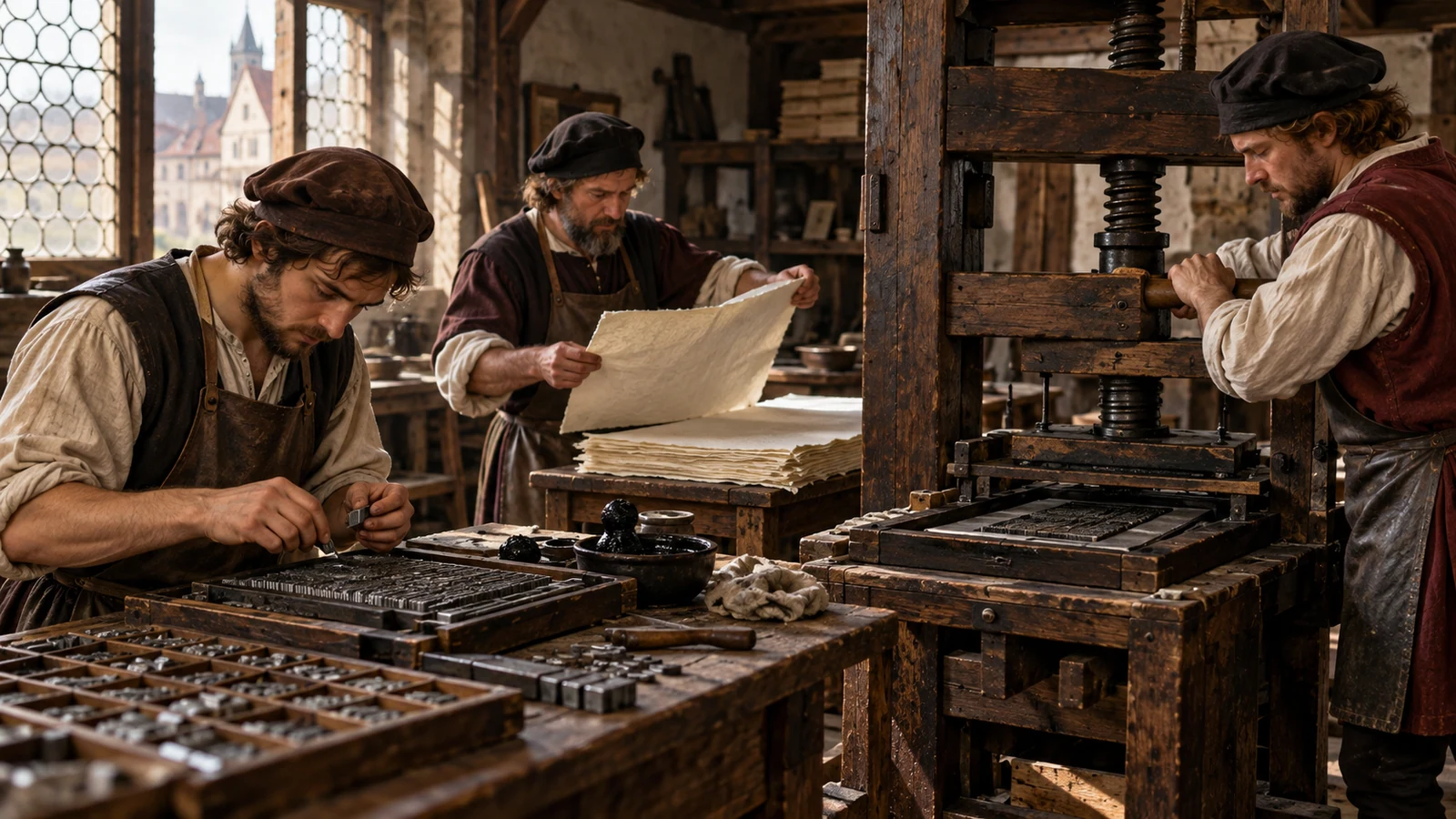
Comparing 1377 and the 1450s
Gutenberg and the work of movable type
Type, printing and hand decoration reveal workshop processes.
Mainz / Cheongju