1180–1232 · Vassals and land
A government built around protecting land rights
Service, estate management and legal disputes mattered alongside battlefield victories.
Protection of existing land
Shogunal rewards included confirmation of existing holdings, not only grants of new land. Holdings sustained a household, equipment and military service. A document protecting those rights therefore supported both livelihood and obligation. Warrior loyalty was connected with an enforceable interest in land, rather than sentiment alone.
Protection supported demands for service. Reward and obligation involved material rights as well as loyalty. The relationship connected local estates with political recognition and documentary decisions at Kamakura.
Adjudicating disputes over land
Recognised landholding still produced inheritance and rights disputes. Hearing claims and applying precedents complemented military force. The Goseibai Shikimoku of 1232 codified standards drawn from warrior administrative practice.
Its fifty-one articles provided standards for warrior rights and obligations. The scope differed from a modern universal national code. Continuing rules supported administration beyond Yoritomo’s personal judgement.
Transmitting legal standards by copying
The prefectural archive’s copy dates to 1574, more than three centuries after the code of 1232. Stylus inscriptions also record later handling. The date of a legal text differs from the date of the surviving book. Copying after the shogunate’s fall shows the continuing reference to its adjudicatory standards.
Battles alone omit everyday claims and inheritance. Because land sustained life and service, adjudication mattered politically. Linking protection, obligations and legal standards reveals a government managing rights as well as armies.
Before and after
- 1180
Yoritomo gathers followers around Kamakura.
- 1199
Succession politics follows Yoritomo’s death.
- 1232
Hōjō Yasutoki establishes the Goseibai Shikimoku.
Key terms
- Confirmation of holdings
- Recognition of existing land rights.
- New grants
- Reward through new holdings or positions.
- Goseibai Shikimoku
- The 1232 code providing standards for warrior adjudication.
What supports the account?
Rewards included confirming existing rights.
The cultural library distinguishes confirmation and new grants.
Rewards were not only new land grants.
The code drew on warrior custom and precedent.
The archive describes its 51 articles, rights and duties.
Do not assume all other legal authority was replaced.
Check your understanding
Choose an answer to reveal the explanation. Return to the article and sources when you are unsure.
Sources
- Vassals and the lord of Kamakura鎌倉市
Yoritomo’s supporters, succession and the Hōjō.
- Medieval documents: Goseibai Shikimoku神奈川県立公文書館
The 1232 code, vassal rights and obligations, and adjudication.
- From household warriors to gokenin日本芸術文化振興会
Confirmed holdings, new grants and the relationship between reward and service.
Keep exploring
1180–1333 · Warrior government in Kamakura
When did the Kamakura shogunate begin?
Follow the formation of a government and a city beyond a single founding date.
Kamakura, Kanagawa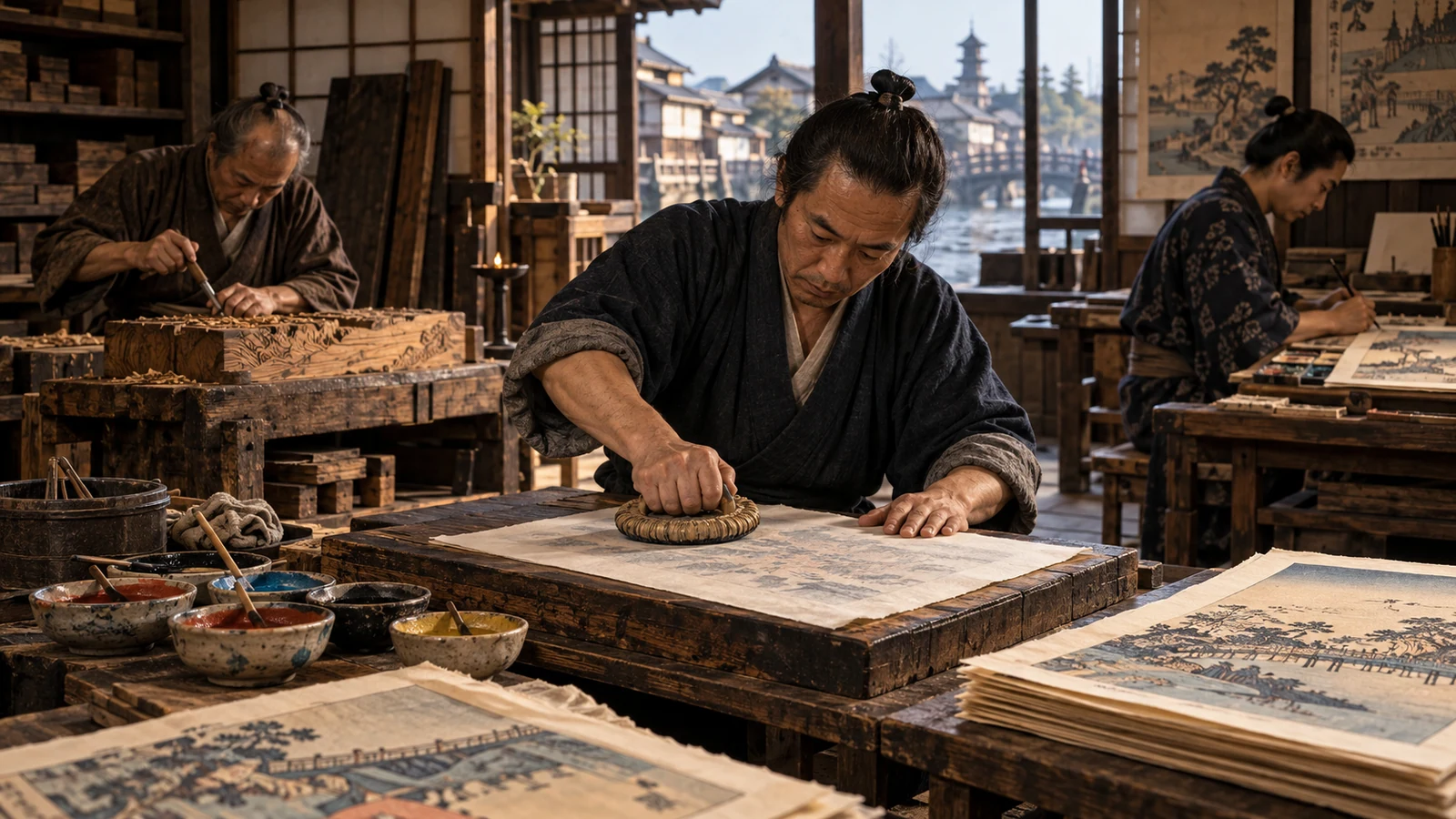
1765–early nineteenth century · Colour woodblock printing
Four professions behind a woodblock print
Publisher, designer, carver and printer: a celebrated artist’s print depended on a team.
Edo, Tokyo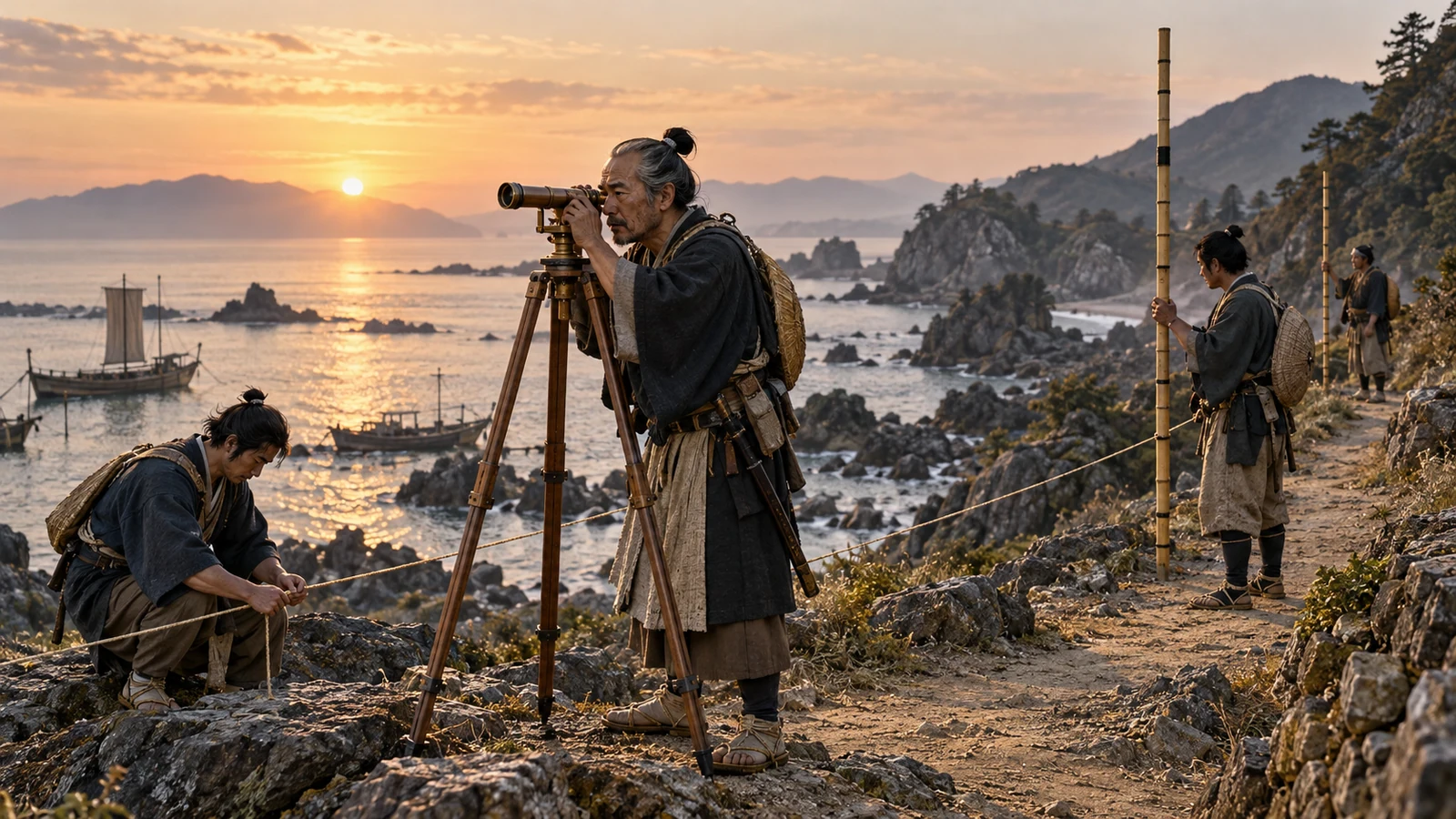
1800–1821 · Surveying and completing maps
How were the Inō maps measured and made?
Measured routes, recorded bearings and observed stars lay behind a team’s mapping work.
Sawara, Chiba / Fukagawa, Tokyo