1180–1333 · Warrior government in Kamakura
When did the Kamakura shogunate begin?
Follow the formation of a government and a city beyond a single founding date.
Organising warriors from 1180
After entering Kamakura in 1180, Yoritomo organised a base and followers. Warriors needed recognition of existing land rights and rewards for service as well as military orders. Linking those interests helped sustain relationships of lordship.
Recognition in 1183, developments concerning shugo and jitō in 1185, and the shogunal appointment in 1192 were different stages. The Kyoto court did not vanish; the emerging warrior government operated within a continuing relationship with it.
Administration beyond an individual shogun
Different offices handled military matters, administration and litigation. Their division of work allowed activity beyond one ruler’s direct decisions. In a society with recurring land disputes, hearing and judging claims mattered alongside military force.
The Minamoto shogunal line ended after three generations, but administration continued under Hōjō leadership. Shogunal position and practical authority were not identical. Institutions mediating rights helped sustain government through changes in its leading family.
A maritime city and the fall of 1333
Kamakura was connected with the sea as well as enclosed by hills. Goods and cultural contacts with Song and Yuan China supported religious and urban development. Its role as a military centre did not exclude trade, craft and everyday life.
The shogunate’s fall in 1333 did not erase Kamakura’s residents and temples. A temple’s foundation and its standing buildings can have different dates because of destruction and rebuilding. The same places served changing roles under the Minamoto, Hōjō and later communities. A regime’s end and a town’s life followed different timescales.
Before and after
- 1180
Yoritomo establishes his base and institutions at Kamakura.
- 1183
The court recognises authority in the east.
- 1192
Yoritomo is appointed shogun.
- 1333
The Kamakura shogunate falls.
Key terms
- Shogunate
- A historical term for warrior government centred on a shogun.
- Shogunal regent
- An office through which the Hōjō came to lead Kamakura politics.
- Appointment to office
- Receiving an office, distinct from establishing effective authority.
What supports the account?
Political formation began before 1192.
The dates mark different stages.
A single foundation year requires explaining the criterion.
Kamakura also had overseas connections.
The city describes Wakaejima and Chinese trade.
This does not establish equal benefit for every resident.
Check your understanding
Choose an answer to reveal the explanation. Return to the article and sources when you are unsure.
Sources
- 2020 equivalency examination: Japanese History B, question 2 chronology文部科学省
The chronology on PDF page 20 (printed page 19) lists the Kamakura base and samurai office in 1180, recognition of eastern authority in 1183 and appointment in 1192; the question compares founding criteria.
- History of Kamakura鎌倉市
Hōjō rule, urban development, maritime links and the fall in 1333.
Keep exploring
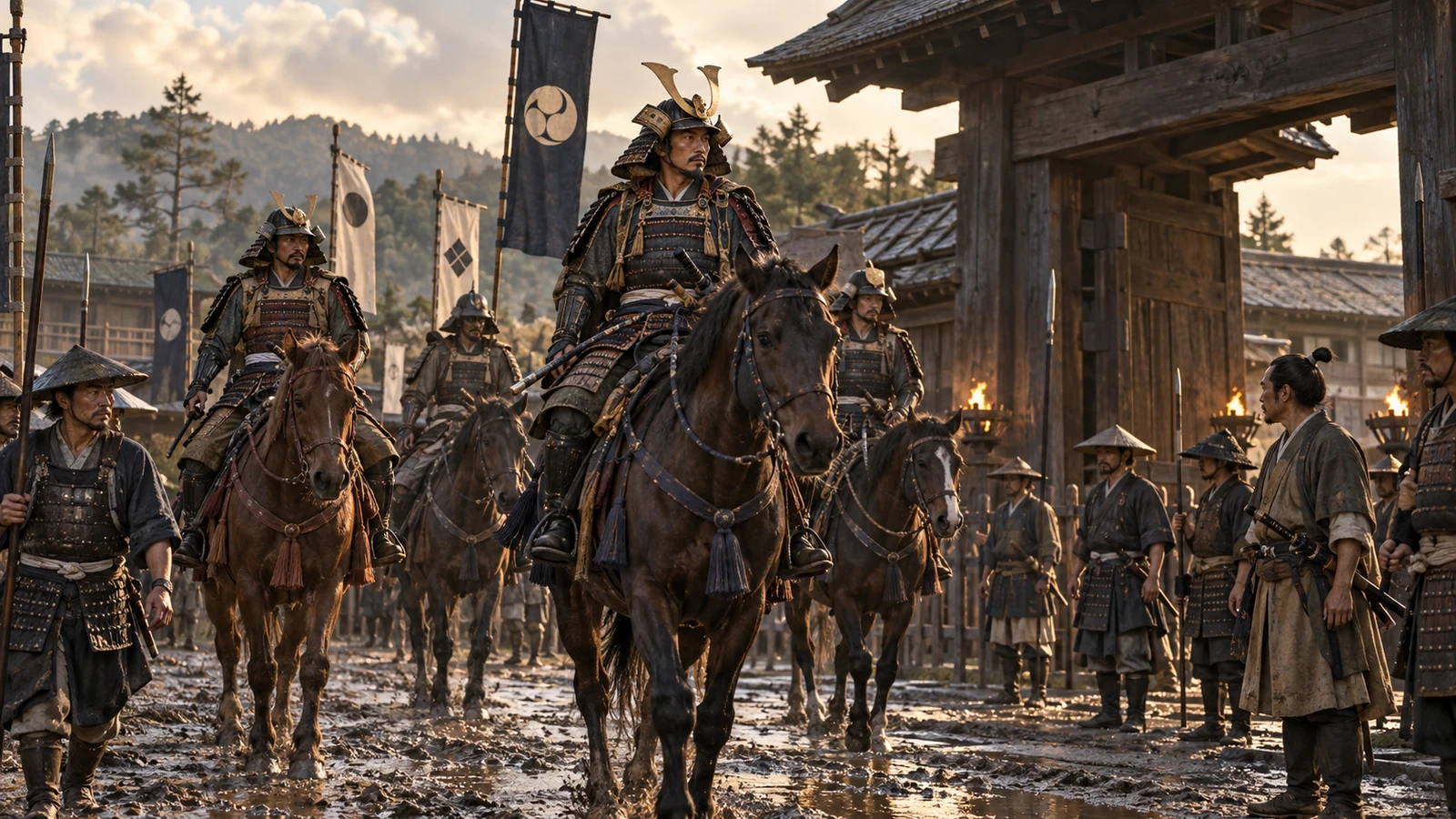
1180–1232 · Vassals and land
A government built around protecting land rights
Service, estate management and legal disputes mattered alongside battlefield victories.
Kamakura, Kanagawa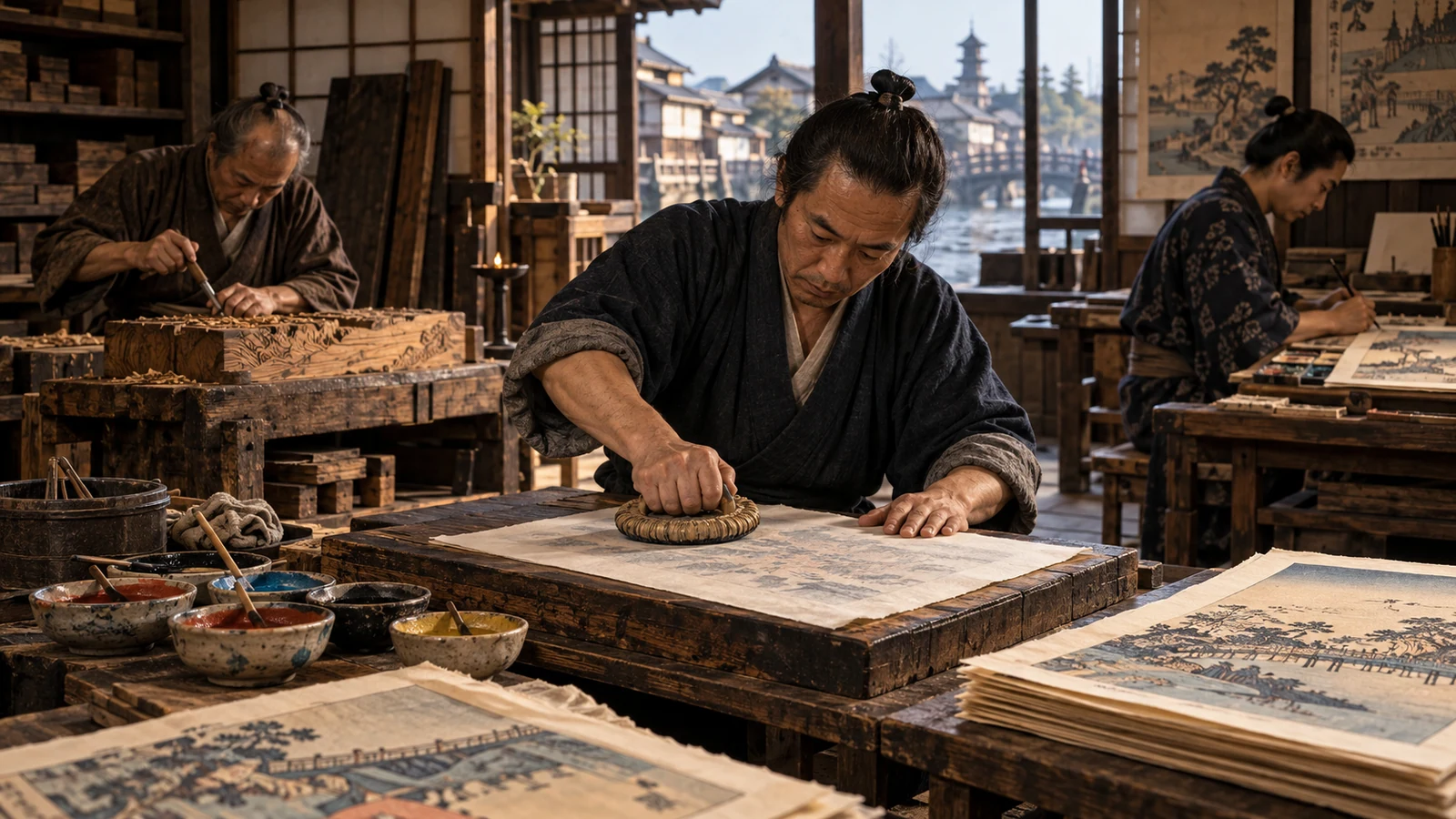
1765–early nineteenth century · Colour woodblock printing
Four professions behind a woodblock print
Publisher, designer, carver and printer: a celebrated artist’s print depended on a team.
Edo, Tokyo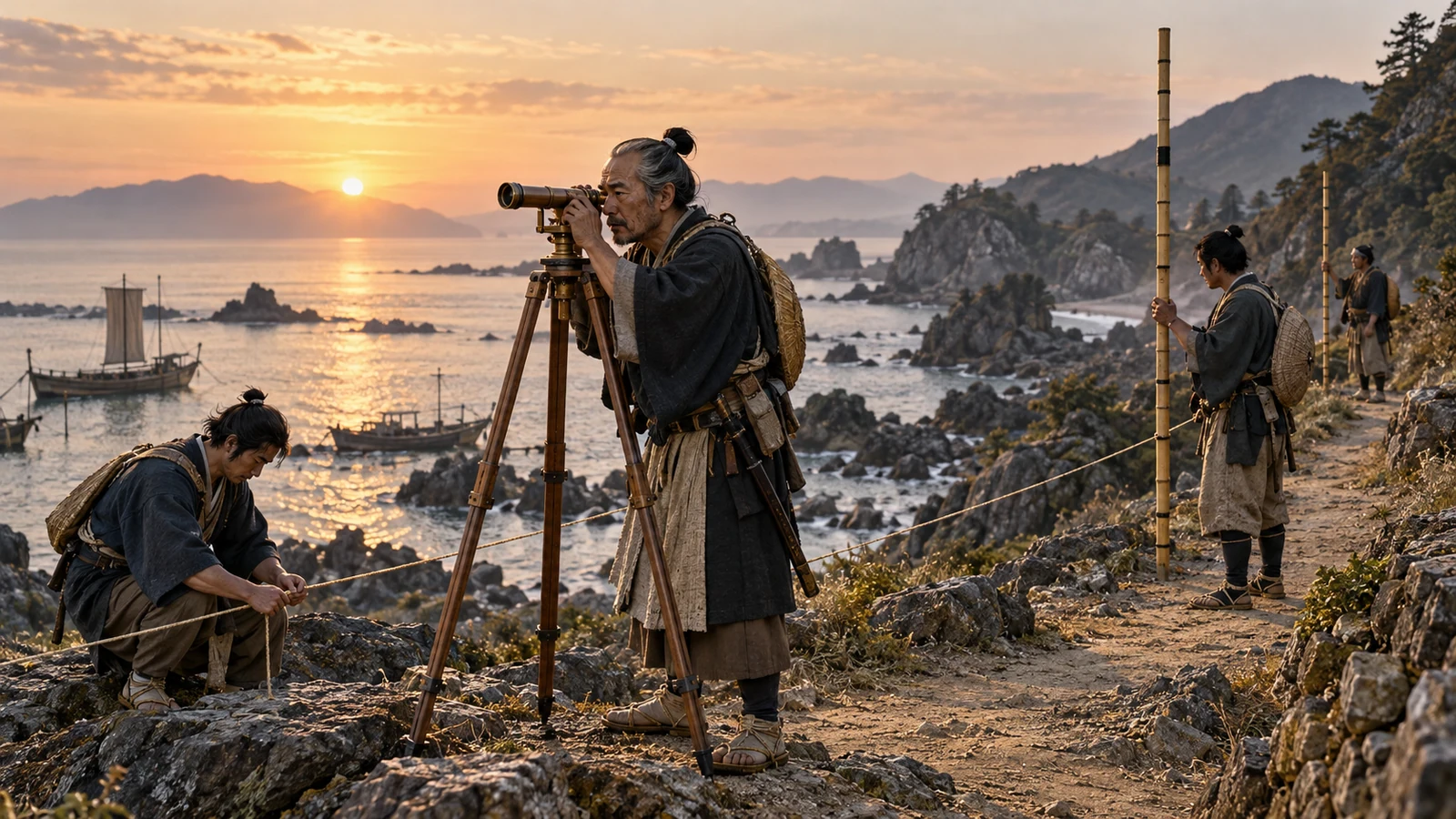
1800–1821 · Surveying and completing maps
How were the Inō maps measured and made?
Measured routes, recorded bearings and observed stars lay behind a team’s mapping work.
Sawara, Chiba / Fukagawa, Tokyo