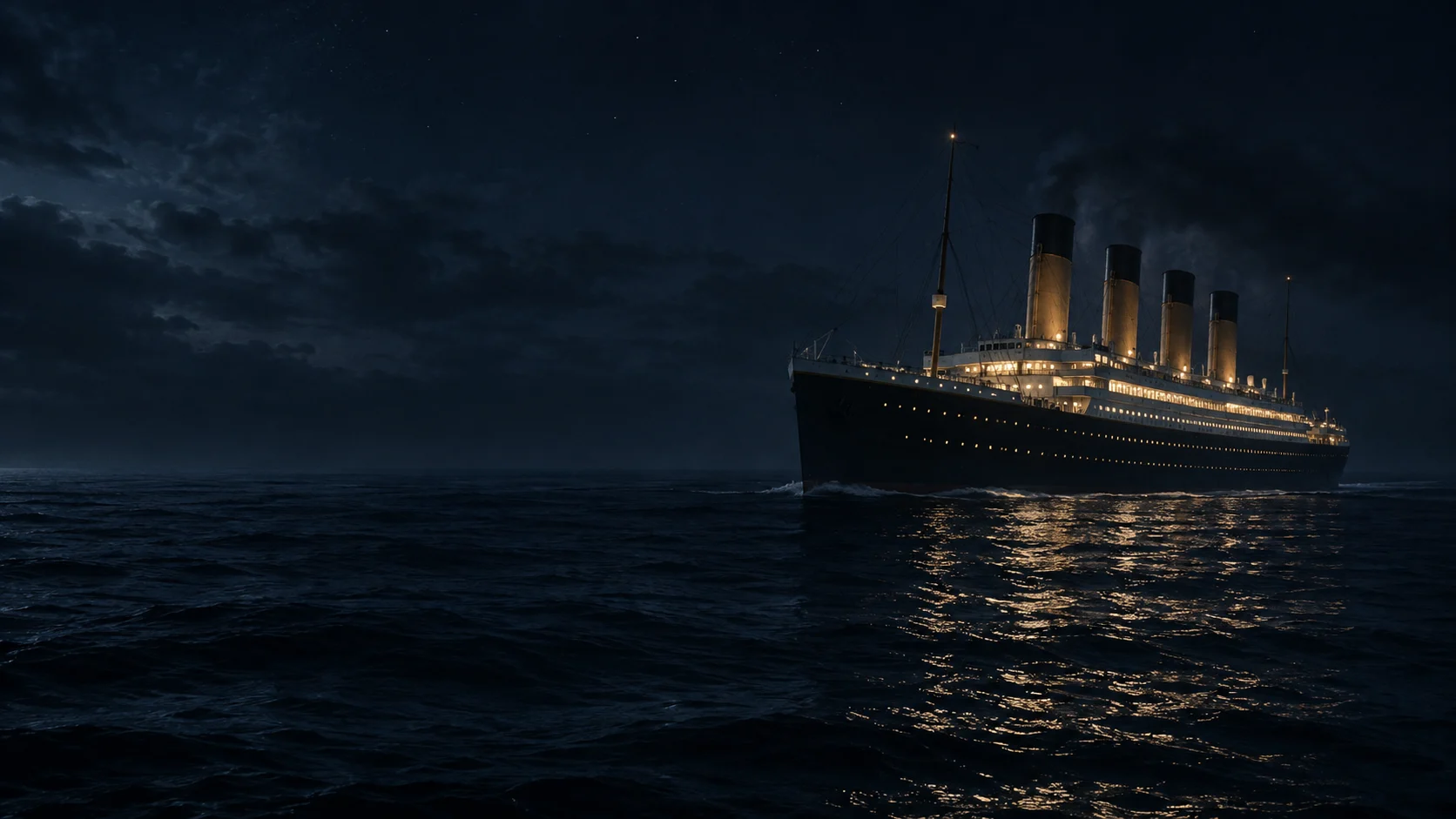
April 1912
Titanic and the systems of safety
Technical achievement and inadequate preparation meet in the voyage and inquiry records.
Passengers and work across the Atlantic
A ship could meet contemporary regulations without enough lifeboat places for everyone. Standards had not kept pace with ship size. Wealthy passengers, migrants and crew also occupied different spaces and received different information.
From collision to evacuation
After collision came assessment, warnings, boarding and launching. Some boats left with empty places, so operation mattered alongside capacity. On Carpathia, Captain Rostron headed toward the scene while the crew prepared for survivors. Receivers and decision-makers turned a radio signal into rescue action.
Investigation and changing safety
No survivor saw every part of the ship. Divergent testimony must be related to position, role and available information. Investigation, compensation and safety reform continued beyond the night of evacuation.
US Senate investigation began on 19 April, examining communication, warnings, boats and passengers. Claims recorded losses; international ice patrol followed in 1914. The aftermath had several stages.
Before and after
- 10 April 1912
Departure from Southampton.
- Night of 14 April 1912
Collision with an iceberg.
- 15 April 1912
The ship sank.
- 19 April 1912
US Senate investigation began.
- 1914
International ice patrol established.
Key terms
- Lifeboat
- A small boat used for emergency evacuation.
- Capacity
- The number of people equipment can accommodate.
- Inquiry testimony
- Witness statements gathered during investigation.
What supports the account?
Luxury did not give everyone identical conditions. Purpose, accommodation and work reveal a differentiated society aboard.
The voyage, collision and sinking in 1912 and insufficient lifeboat capacity. U.S. inquiry records, testimony and investigation of radio communication and ice warnings.
Luxury is not a sufficient measure of safety.
Insufficient capacity and effective use are separate problems. Both equipment and decisions need investigation.
The voyage, collision and sinking in 1912 and insufficient lifeboat capacity. U.S. inquiry records, testimony and investigation of radio communication and ice warnings.
Later testimony contains differences of memory and viewpoint.
Check your understanding
Choose an answer to reveal the explanation. Return to the article and sources when you are unsure.
Sources
- RMS Titanic factsRoyal Museums Greenwich
The voyage, collision and sinking in 1912 and insufficient lifeboat capacity.
- The Titanic: The Story of the Wreck and the RecordsU.S. National Archives
U.S. inquiry records, testimony and investigation of radio communication and ice warnings.
Keep exploring
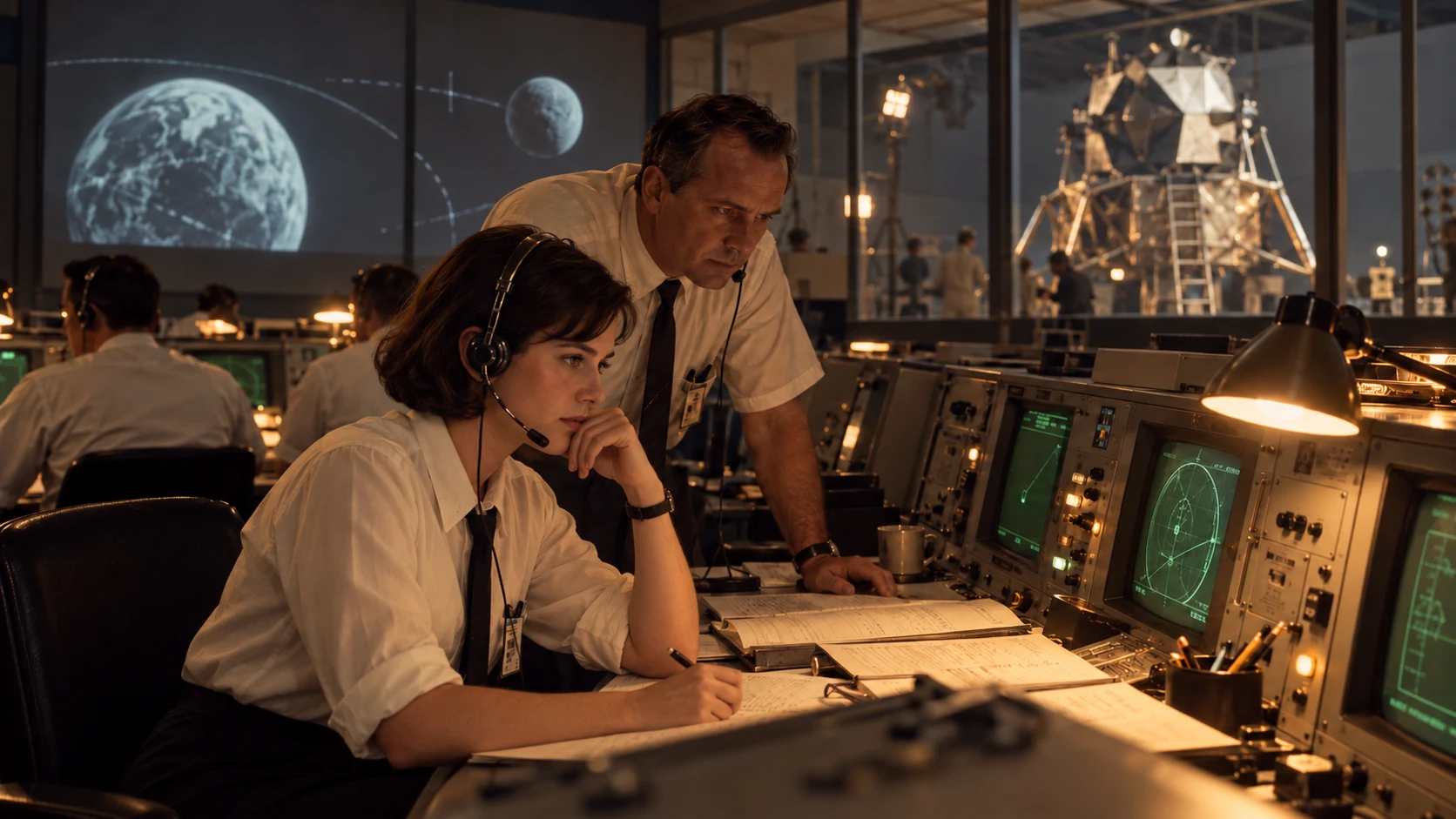
July 1969
Apollo 11: reaching the Moon and returning
Two astronauts on the surface and one in orbit: landing was only part of the mission.
Launch site in Florida / Moon: Sea of Tranquility
From the second century BCE through the medieval period
The Silk Roads were a network
Goods, languages and skills moved through connected land and sea routes.
Eurasian and Indian Ocean trade networks1911–1912
From the Xinhai Revolution to the Republic
An uprising, Qing abdication and a new republic ended a dynasty without resolving every conflict.
Wuchang, now Wuhan / Nanjing