1324–sixteenth century
Mali and learning in Timbuktu
Gold and salt trade supported a West African city of mosques, manuscripts and learning.
Wealth and pilgrimage across the Sahara
Saharan trading towns handled salt, gold, grain, livestock and manuscripts. Mansa Musa’s pilgrimage in 1324 publicized his kingdom, but did not complete a scholarly city in one journey. Continuing movement of people and materials sustained learning across generations.
A city of copying and learning
Copying, buying, teaching and preserving books transmitted knowledge. The great mosques of Djingareyber, Sankore and Sidi Yahia also needed physical maintenance. Judge and imam al-Aqib undertook repair and expansion in the later sixteenth century. Earthen-building skills sustained scholarship alongside teachers and copyists.
Growth beyond one ruler’s journey
Fifteenth- and sixteenth-century scholarship cannot be collapsed into a royal journey in 1324. Later teachers, copyists, patrons and repairers sustained the town. Manuscripts and earthen buildings required different forms of care.
Before and after
- 1324
Mansa Musa’s pilgrimage.
- Fifteenth–sixteenth centuries
Flourishing as a scholarly city.
- 1988
World Heritage inscription.
Key terms
- Pilgrimage
- Travel to a sacred destination.
- Copyist
- Someone copying books by hand.
- Trans-Saharan exchange
- Exchange of goods such as salt and gold across the desert.
What supports the account?
The ruler’s pilgrimage also connected regions. Look beyond quantities of gold to support for buildings and learning.
Mosques, trans-Saharan trade and the scholarly city of the fifteenth and sixteenth centuries. Mansa Musa’s pilgrimage in 1324 and his patronage of the mosque.
Descriptions of wealth do not show prosperity for every resident.
Scholarly flourishing in the fifteenth and sixteenth centuries followed the 1324 pilgrimage. Copyists and teachers contributed across generations.
Mosques, trans-Saharan trade and the scholarly city of the fifteenth and sixteenth centuries. Mansa Musa’s pilgrimage in 1324 and his patronage of the mosque.
Surviving books do not explain all non-literate experiences.
Check your understanding
Choose an answer to reveal the explanation. Return to the article and sources when you are unsure.
Sources
- TimbuktuUNESCO World Heritage Centre
Mosques, trans-Saharan trade and the scholarly city of the fifteenth and sixteenth centuries.
- Arts of Africa — inside the exhibitionThe Metropolitan Museum of Art
Mansa Musa’s pilgrimage in 1324 and his patronage of the mosque.
Keep exploring
1325–1355
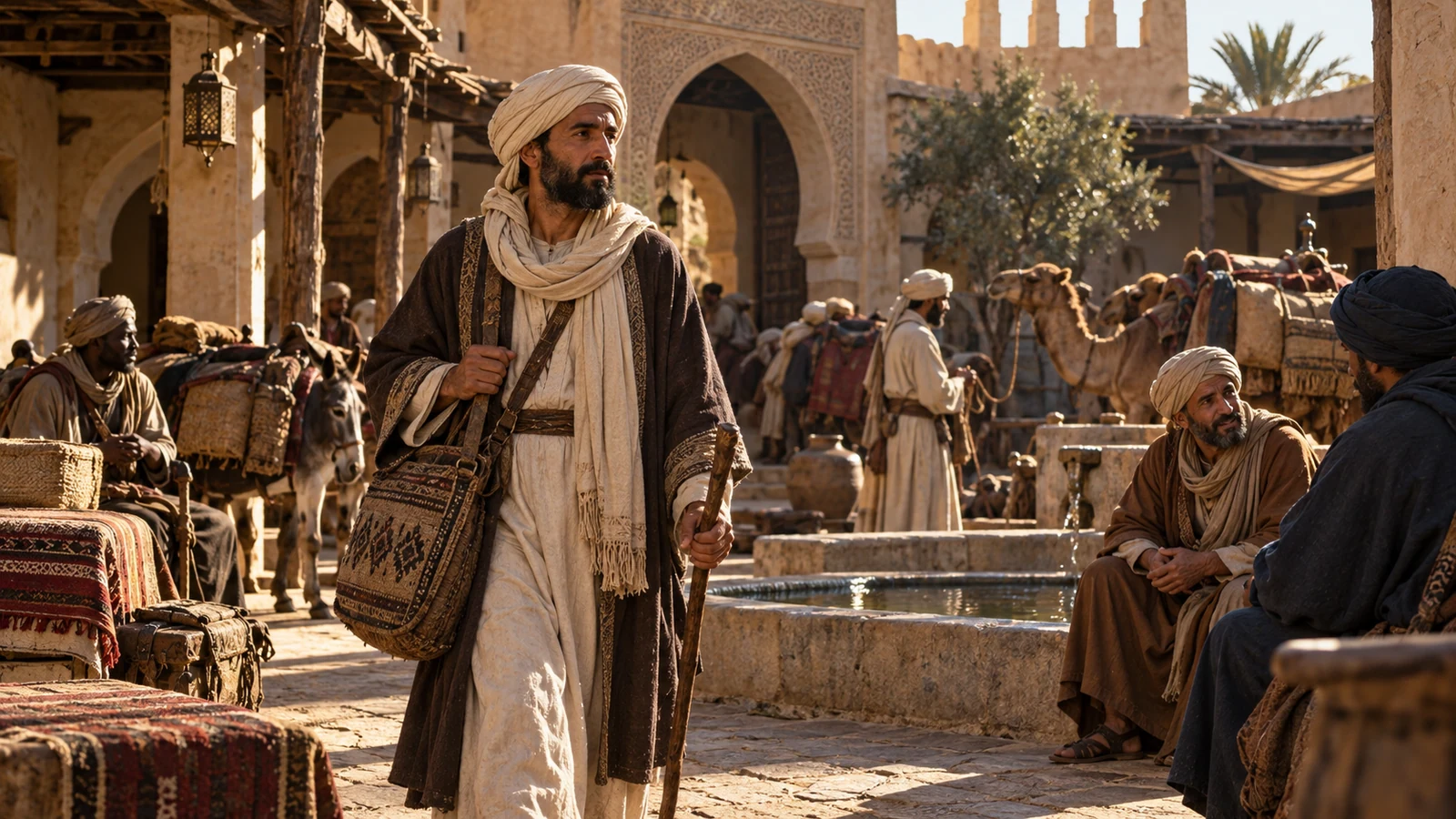
How to read Ibn Battuta’s travels
A pilgrimage became a long journey recorded afterward.
Tangier / DelhiMainly thirteenth–fourteenth-century prosperity
Kilwa and the Indian Ocean
A Swahili port connected eastern Africa’s interior with Indian Ocean trade.
Kilwa Kisiwani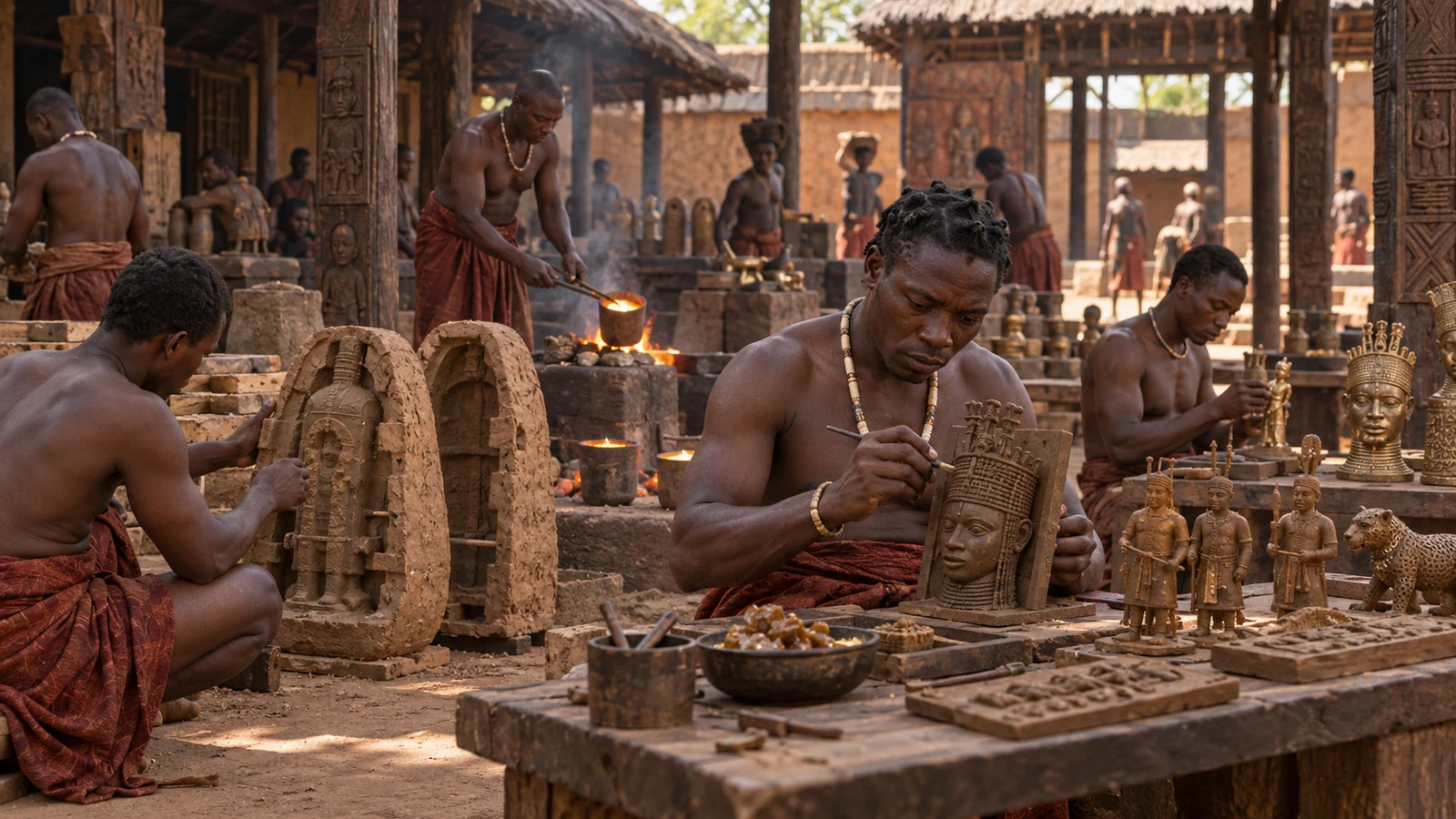
From the sixteenth century to the conquest of 1897
The Benin court and its casters
Royal memory, skilled casting and the looting of 1897.
Benin City