259–210 BCE
Qin Shi Huang
King of Qin and first emperor of China
The Qin ruler who became emperor in 221 BCE. Bamboo documents, coins and terracotta figures reveal institutions of unification and the work of people whose names are lost.
Making one government work after conquest
In 221 BCE King Zheng conquered the other states and adopted the title emperor. Victory did not itself align regions using different written and measuring standards. Government still had to organize orders, taxation and supplies on shared terms.
Qin’s institutions preceded Ying Zheng’s accession. Conquest in 221 BCE left a further task of governing different regions. Battlefield victory and functioning records, revenues and orders were distinct stages of building imperial authority.
Appointed administrators differed from hereditary regional lords. Appointments and information gathering made central orders usable. Officials and procedures explain imperial reach better than the ruler’s personality alone.
Common records and units, and construction burdens
Shared units and script helped compare reports, transactions and supplies. Standardizing writing did not instantly unify spoken language. A central standard also required continued local administrative use to become effective.
Roads, walls and tombs required mobilized labor and transported materials. Their usefulness and scale should be considered alongside demands on workers and communities. Completed objects can open questions about the coercion that made them possible.
Mausoleum workshops and institutions after Qin
The terracotta warriors formed part of an enormous mausoleum, with groups of soldiers, horses and vehicles. Workshops divided forming, firing, painting and transport. Details reflect skilled labor; scale reflects mobilization. Such construction capacity did not ensure stable political succession.
The First Emperor died in 210 BCE; Qin ended in 206. Successor dynasties adapted rather than simply preserved its institutions. The dynasty’s short life contrasts with its lasting institutional influence.
Turning points
- 259 BCE
Born.
- 247 BCE
Became king of Qin.
- 221 BCE
Conquered six rival states and claimed the imperial title.
- 210 BCE
Died.
- 1974, archaeological history
Discovery of terracotta figures began major investigations.
Their legacy
Qin fell soon after the First Emperor’s death, while later dynasties adapted imperial and territorial institutions. A short-lived dynasty created a lasting framework of rule.
Related history

Related stories
Sources
The Metropolitan Museum of Art · Administration, standardization, transport and the mausoleum.
British Museum · Life dates and dates as king and emperor.
Rice University / OpenStax · Qin construction, required labor and legal government.
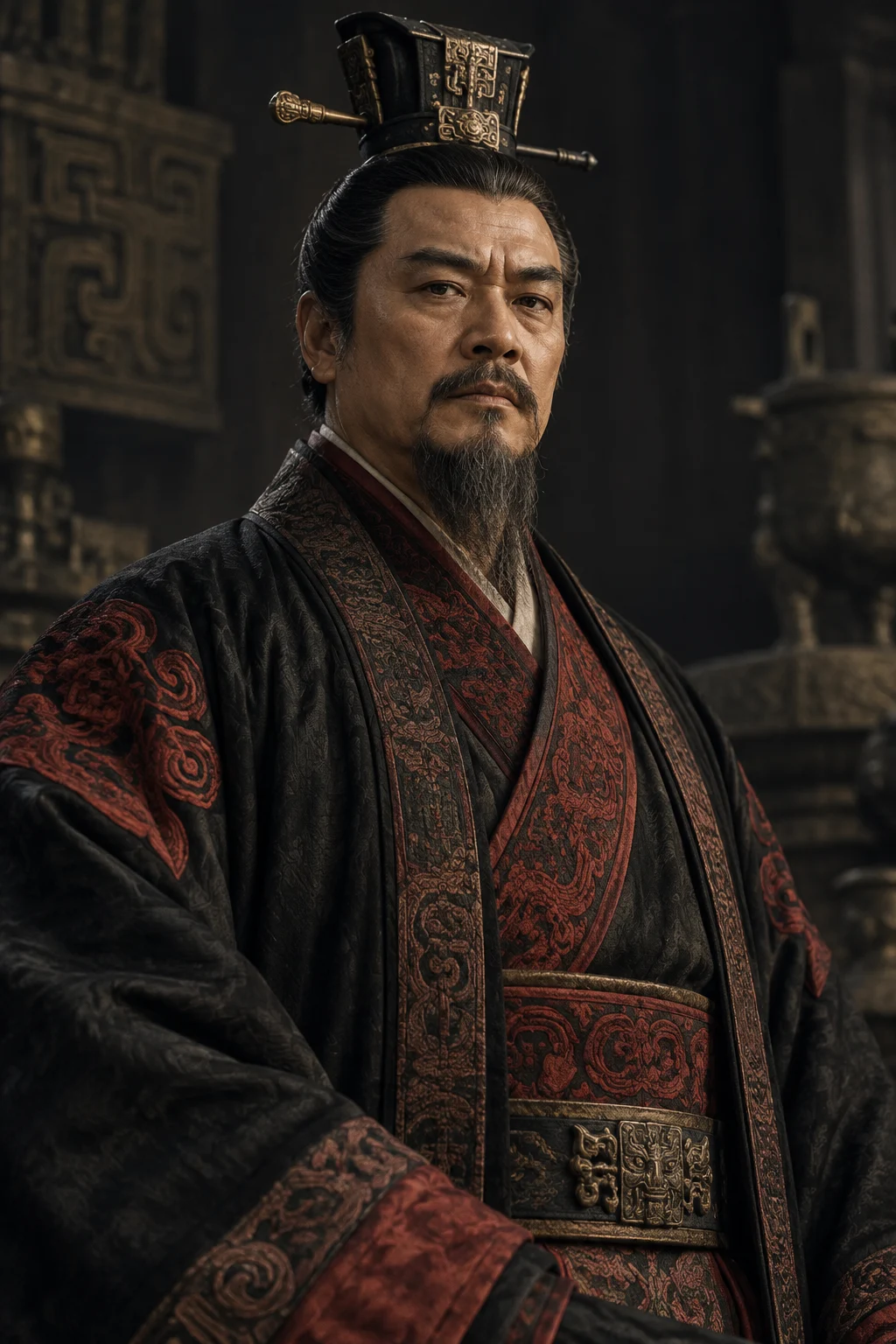
The portrait is an original historical imagining, not evidence of the person’s appearance.