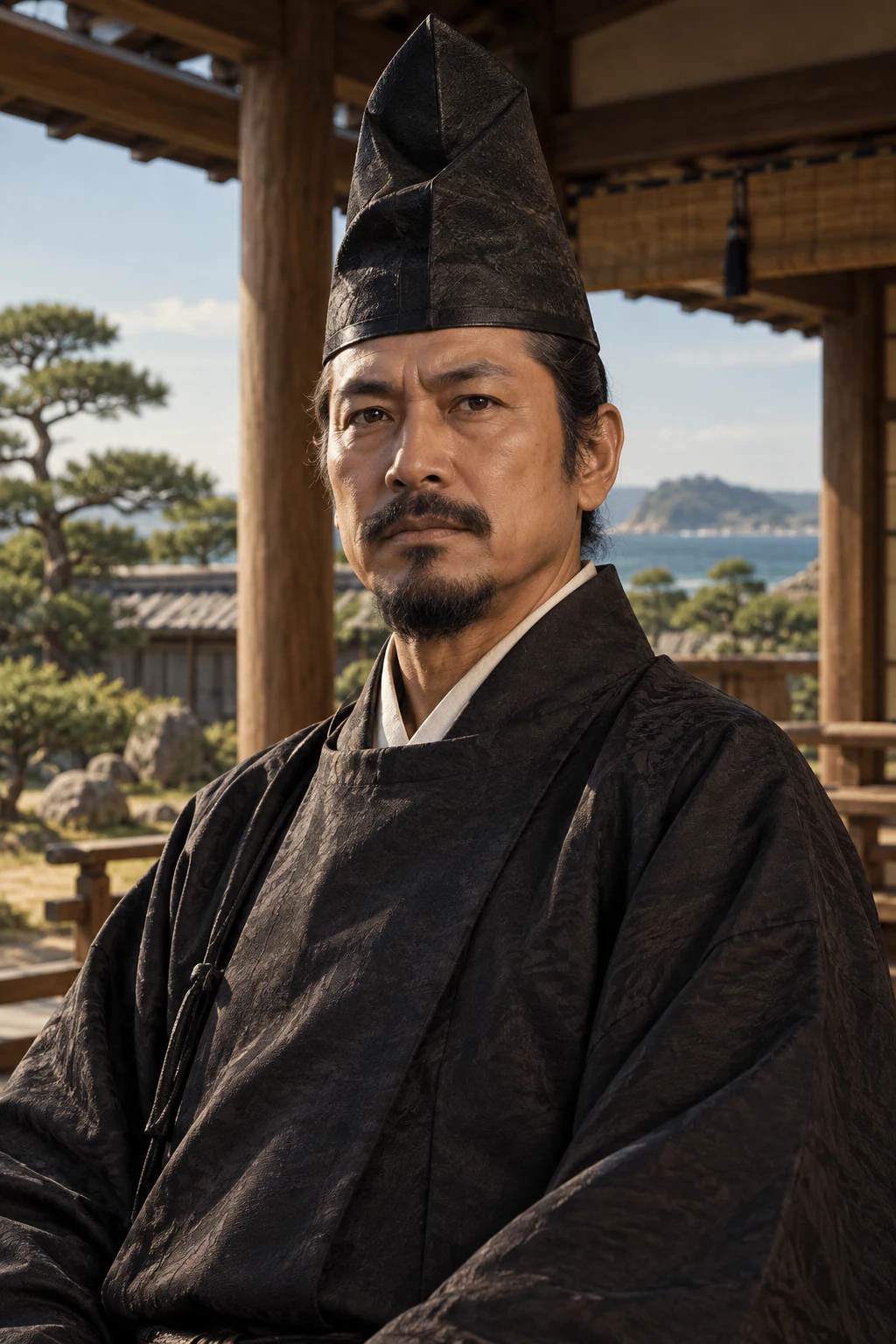
1147–1199
Minamoto no Yoritomo
Founder of the Kamakura warrior government
Organized warriors from Kamakura while negotiating with the court. His government took shape over years, not in a single event in 1192.
Keeping warriors together after battle
An uprising alone could not keep warriors loyal. After taking up arms in 1180, Yoritomo based himself in Kamakura and linked recognition of land rights with service. A military coalition became an enduring government.
Kamakura had earlier Minamoto connections through Yoriyoshi and the Hachiman shrine. Establishing a residence and a center for orders and petitions converted a military coalition into an enduring political organization.
The Ōkura residence housed Yoritomo and government business; Kamakura’s account also records relocated buildings. Retainers and messengers gathered where land disputes and orders could be handled.
Linking land and military service
Recognition of existing holdings and rewards of new rights tied retainers to Yoritomo in return for service. Deciding whose claims to recognize also concerned disputes in contested localities. “Favor and service” was a relationship involving actual land and obligations.
Temples and aristocrats also held land rights. Military policing and local management did not convert every estate into Yoritomo’s private property. Distinguishing service obligations, revenue rights and adjudication clarifies overlapping medieval authority.
A base formed in 1180, provincial authority expanded around 1185, and shogunal appointment followed in 1192. Different founding dates identify different stages in that institutional development.
Government after its founder
After Yoritomo’s death in 1199, his sons Yoriie and Sanetomo succeeded as shoguns, while Masako’s Hōjō family gained influence. Retainer relationships survived, but decision-making and leadership changed. Institutional continuation did not guarantee continued practical control by the founder’s lineage.
Later port development at Wakaejima linked Kamakura with Song and Yuan trade. This was subsequent urban growth, not all Yoritomo’s own achievement. Supply and cultural exchange broaden the picture beyond a military headquarters.
Turning points
- 1147
Born into the Minamoto family.
- 1180
Raised forces and established his base in Kamakura.
- 1185
Expanded authority through court negotiation after the Taira defeat.
- 1192
Appointed shogun.
- 1199
Died.
Their legacy
Recognition of land rights and demands for service supported the Kamakura government. That relationship with warriors survived the end of shoguns descended from Yoritomo.
Related history
1180–1333 · Warrior government in Kamakura
When did the Kamakura shogunate begin?
Follow the formation of a government and a city beyond a single founding date.
Kamakura, Kanagawa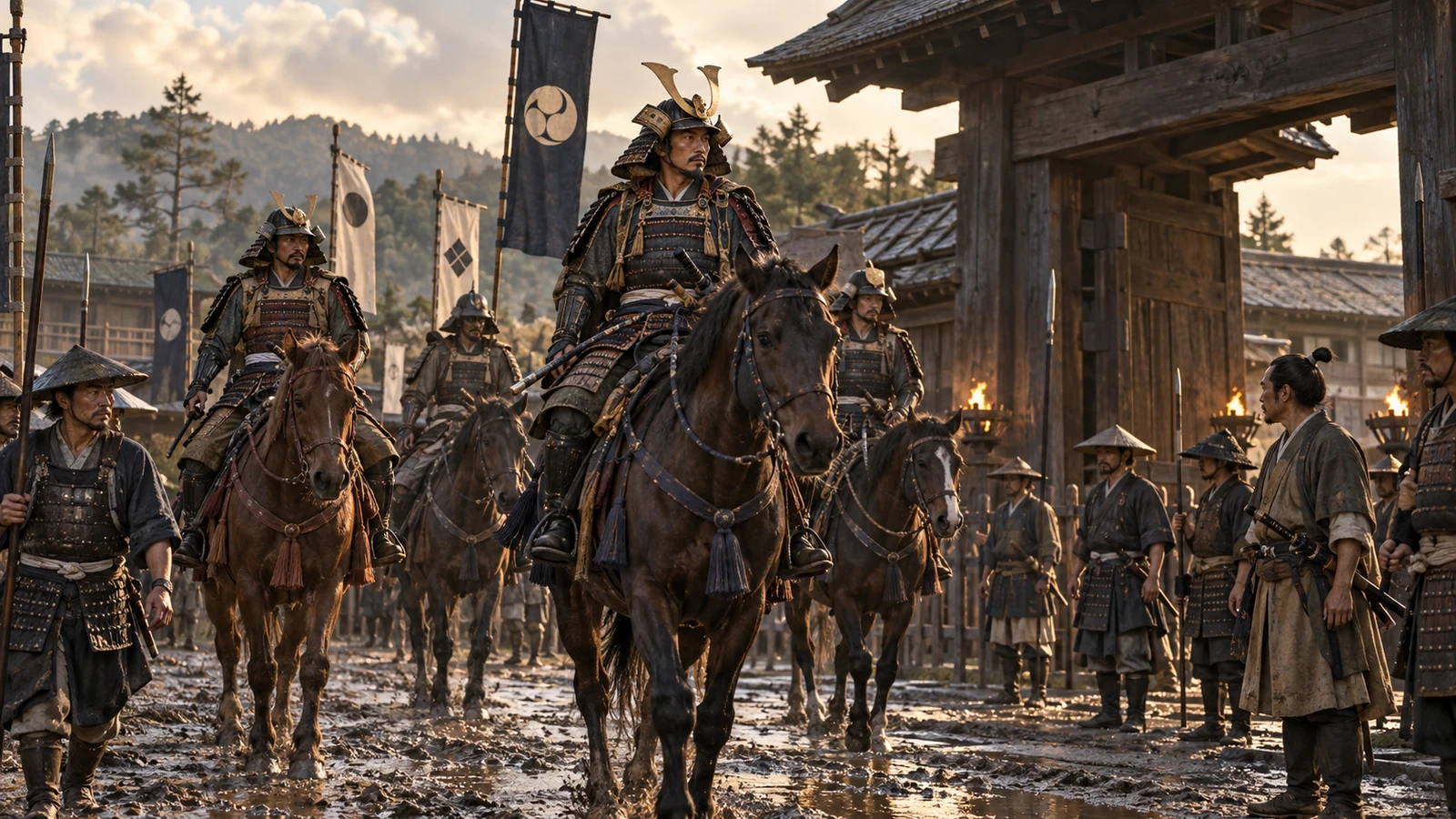
1180–1232 · Vassals and land
A government built around protecting land rights
Service, estate management and legal disputes mattered alongside battlefield victories.
Kamakura, KanagawaSources
鎌倉市 · Yoritomo’s government, urban development and Hōjō politics.
鎌倉市 · Arrival in Kamakura in 1180, residence construction and the Azuma Kagami account.
The portrait is an original historical imagining, not evidence of the person’s appearance.